From an activity decision to an approved booking
Artist Activities for Public Bodies: Preparing the Event Brief
A practical brief for public-sector event teams: define an artist activity, separate responsibilities and prepare a clear procurement handover.
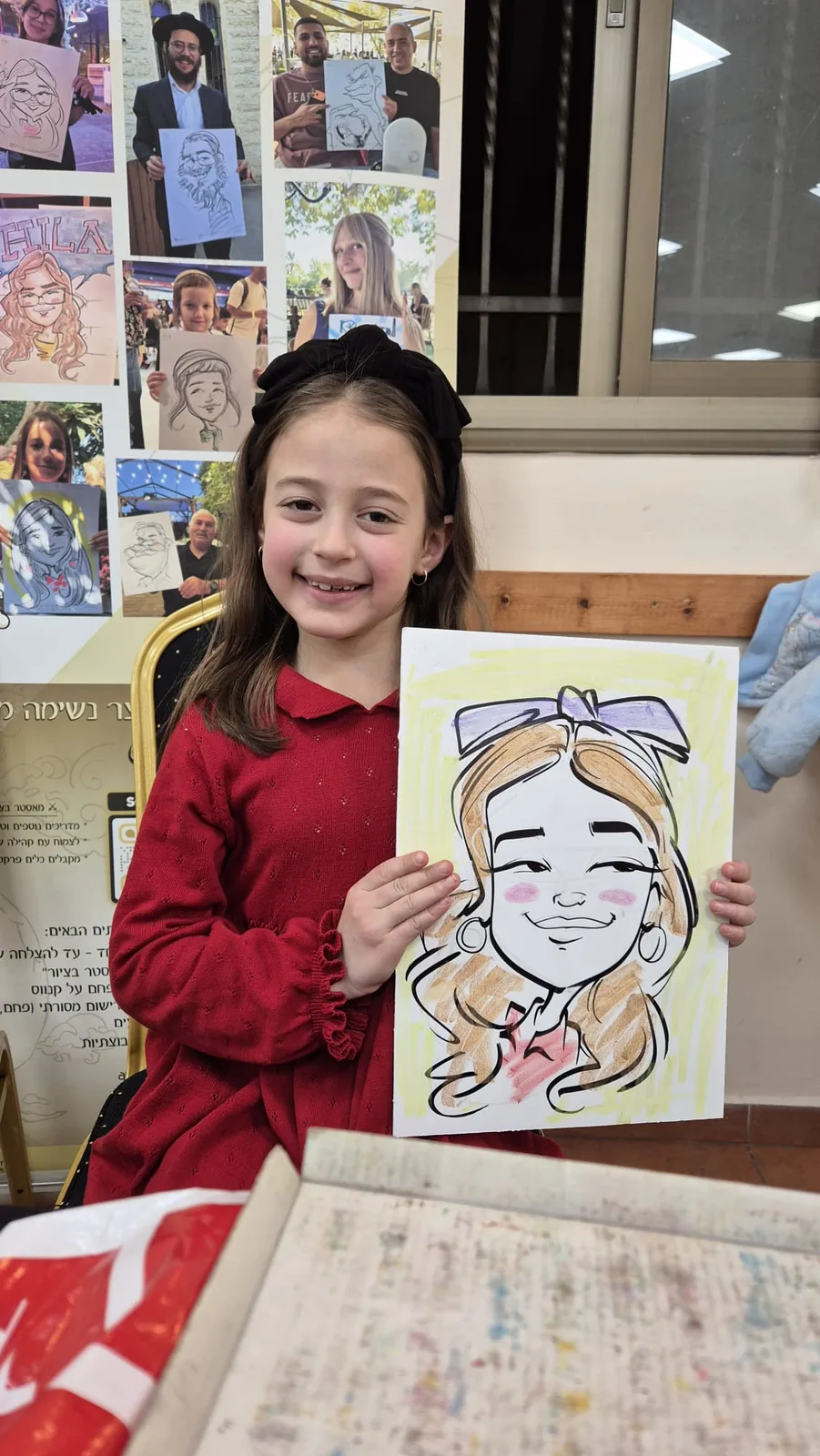
Booking an artist activity for a public organisation requires a clear handover from the person planning the occasion to the person placing the order. A welfare coordinator may agree on the idea while funding, scope or the paying organisation remains undecided. A short decision record helps the request move forward without losing its context.
Official examples show why this matters. Israel's Civil Service Commission describes learning and welfare coordinators. A 2025 Ministry of Health record describes a welfare initiative and supplier selection involving companies on a central framework. These illustrate possible arrangements; confirm the route for the actual commission with its authorised contact. [1], [2].
You can start while the request is being prepared: contact Metsuyarim with the proposed activity and open questions to explore a proposal for the next discussion.
Record decisions and open questions
Use four columns: topic, confirmed decision, unanswered question, and the person coordinating the answer with an agreed response date. This is a suggested working format, not an official form.
Separate content, funding, purchasing and delivery. For content, record the proposed activity and the team still to be agreed. For funding, establish who authorises the expense and who pays. For purchasing, identify whether the order goes directly to the provider or through a producer. For delivery, list the outstanding venue arrangements.
Turn each uncertainty into an answerable question. Does the employee committee or the employer approve this proposal? Who tells the supplier that the order is confirmed? Mark pending decisions clearly so that nobody mistakes an idea for an agreed commitment.
Compare proposals against a common scope
Send the same request version to each provider. Compare the team, activity duration, equipment and setup described in the quotations. A price for one caricature station is not directly comparable with a package of several art activities.
When a provider suggests an alternative, record what changes and which decisions require renewed approval. This gives the approver enough context without requiring attendance at every planning conversation.
Keep the organisation, producer and artists aligned
If a production company coordinates the occasion, agree who sends the final brief and approves changes. Metsuyarim can provide artists and activities within a wider production, with scope and responsibilities agreed individually.
After a change to the date, team or activity window, send a dated revision and identify any outstanding approval. Keep the quotation, production schedule and participant announcement consistent.
Confirm how the order becomes authorised
Ask the organisation's authorised contact which documents are required. The Ministry of Defense, for example, publishes a separate supplier-recognition route; a discussion with a provider does not establish eligibility for every purchasing arrangement. [3].
Keep the approved proposal, agreed scope, commissioning organisation and delivery contact together. For artistic fit, see the guide to choosing a caricature artist. Send Metsuyarim, led by Muli Asido, the request and remaining questions to explore a proposal for the planned occasion.
Continue planning for your setting: Artist Stations at Festivals: A Production Brief; Artist Activities for Shift Teams: Planning Access to the Event.
Sources and further reading
Plan the caricatures for your event
Plan the caricatures for your eventContinue the conversation
What in this article connects with your own practice? Share a question, a thought, or something you have learned.
Loading the conversation…